How Electric Aircraft Could Transform the Way We Explore
From electric aircraft to smarter ground transportation, the next generation of travel could bring us closer to a world where every journey is more connected, convenient and accessible.
Imagine boarding a small electric aircraft for a short journey between cities, arriving at your destination and continuing your adventure with a rental car waiting for you.
No complicated travel arrangements. No unnecessary delays. Just a smoother journey from departure to destination.
While this vision is still developing, a recent breakthrough in China suggests that the future of travel may be closer than we think.
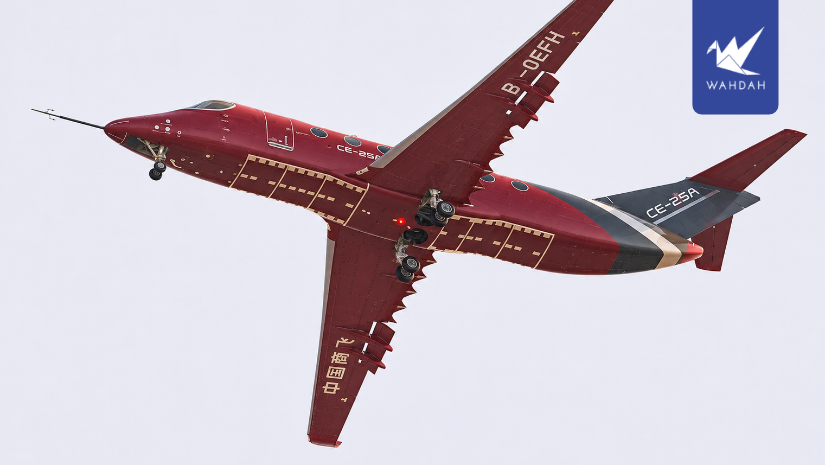
On November 14, 2026, China's CE-25A electric aircraft successfully completed its first crewed test flight, marking an important milestone in the development of electric aviation.
Beyond aviation technology, this achievement offers a glimpse into how future transportation could reshape regional connectivity, tourism and the way people explore the world.
China's 19-Seat Electric Aircraft: A New Milestone in Aviation
Developed by the Commercial Aircraft Corporation of China (COMAC) and its partners, the CE-25A is a battery powered aircraft designed for short distance regional travel.
Unlike conventional aircraft that rely on aviation fuel, it uses electric motors to power ducted fans mounted along its wings.
Its reported design specifications include:
-
Passenger capacity: Up to 19 passengers
-
Flight range: Approximately 400 kilometers
-
Cruising speed: 300 kilometers per hour
-
Cruising altitude: 2,400 meters
-
Maximum takeoff weight: 10 tonnes
During its first crewed test flight in Shandong Province, the aircraft traveled 60.4 kilometers in approximately 16 minutes and 38 seconds.
Although commercial certification is still pending, the achievement represents meaningful progress toward making electric aviation a practical transportation option.
Why Electric Aviation Could Change Regional Travel
Electric aircraft could introduce new possibilities for travelers, tourism operators and regional communities.
1. Making Short Distance Travel More Convenient
With a designed range of approximately 400 kilometers, aircraft such as the CE-25A could eventually connect smaller cities and regional destinations where conventional commercial flights may be limited.
For travelers, this could mean greater flexibility when planning short getaways, business trips or regional holidays.
2. Supporting More Sustainable Travel
Battery powered aircraft produce no direct carbon dioxide emissions from fuel combustion during flight.
While their overall environmental impact depends on electricity generation, battery production and operations, electric propulsion offers potential benefits in reducing certain emissions and aircraft noise.
As the tourism industry moves toward more sustainable practices, electric aviation could become another important part of the transportation landscape.
3. Unlocking New Tourism Opportunities
Improved regional air connectivity could make lesser known destinations more accessible.
Imagine discovering smaller towns, coastal attractions and cultural destinations without relying entirely on lengthy road journeys.
For countries such as Malaysia, improved connectivity could encourage travelers to explore beyond major cities while creating new opportunities for local tourism businesses.
The Future of Travel Goes Beyond the Aircraft
While electric aviation may change how people travel between cities, the journey does not end when an aircraft lands.
Travelers still need convenient transportation to reach hotels, attractions, business meetings and other destinations.
Imagine a family taking a short regional electric flight, collecting a prebooked rental car upon arrival and exploring their destination at their own pace.
This is where integrated mobility becomes essential.
The future of travel is not simply about introducing new transportation technologies. It is about connecting different services to create a seamless journey from beginning to end.
What Could This Mean for Malaysia?
Malaysia's diverse tourism landscape presents opportunities for improved regional connectivity.
From Langkawi and Penang to Melaka and smaller regional destinations, convenient transportation remains an important factor in shaping the travel experience.
Malaysia's Aviation Decarbonisation Blueprint also reflects the country's commitment to supporting more sustainable aviation practices.
Although commercial electric passenger aircraft operations remain a future possibility, developments such as the CE-25A highlight the potential for innovation within Malaysia's transportation and tourism sectors.
However, widespread adoption will depend on aircraft certification, charging infrastructure, battery technology and commercial feasibility.
Connecting the Journey: WAHDAH's Perspective on Future Mobility
At WAHDAH, we believe mobility is about more than getting from one place to another.
It is about connecting people to destinations, creating better travel experiences and giving travelers the freedom to explore.
Through self drive car rentals, airport transfers, chauffeur services and integrated mobility solutions, WAHDAH helps travelers continue their journeys beyond airports and transportation hubs.
As new transportation technologies emerge, the opportunity lies in connecting different mobility services into one convenient travel experience.
While WAHDAH is not involved in electric aircraft development, innovations such as the CE-25A reinforce an important belief: the future of mobility depends on how seamlessly different transportation services work together.
Whether traveling by air or road, the ultimate goal remains the same: making every journey simpler, more accessible and more enjoyable.
The Road Ahead: A More Connected Future
Electric aviation is still in its early stages. Challenges involving battery capacity, infrastructure, safety certification and operating costs must be addressed before widespread commercial adoption becomes possible.
Nevertheless, China's latest milestone offers an exciting glimpse into how transportation could evolve.
A future where regional destinations become easier to reach, travel options become more diverse and journeys become increasingly connected.
At WAHDAH, we believe the future of travel is not simply about how far technology can take us.
It is about creating more opportunities to explore, more meaningful experiences and more time for what truly matters.
Because the future of travel is not just about reaching new destinations.
It is about making every journey count.
Explore Malaysia and beyond with convenient mobility solutions at WAHDAH.






 English
 Indonesia
 Bahasa Malaysia
 Singapore