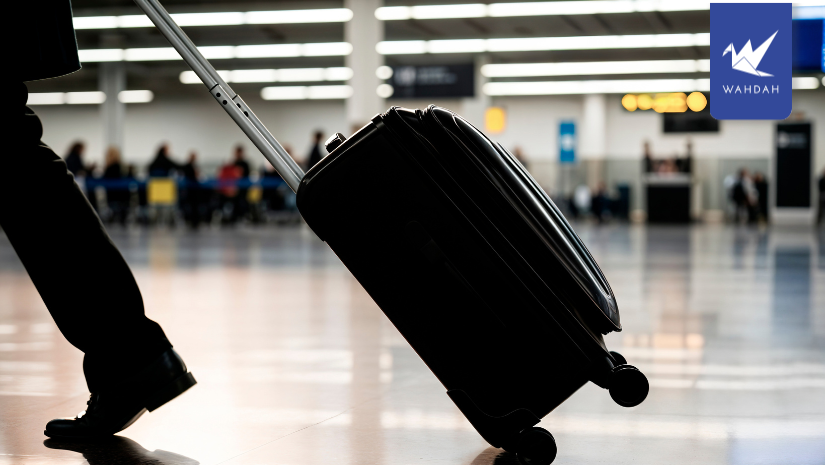
You just landed. You are excited to explore. But your body feels like it is still on the plane. Your eyes are heavy. Your stomach is confused. And you keep waking up at 3 AM, wide awake.
That is jet lag. It happens when your internal clock does not match the local time. The good news is you can fix it. This guide covers how to deal with jet lag after travel with practical steps you can take before, during, and after your flight.
What Is Jet Lag and Why Does It Happen?
Jet lag is a temporary sleep disorder that happens when you travel quickly across three or more time zones. Your body follows a 24-hour internal clock called the circadian rhythm. It tells you when to sleep and when to wake up.
When you cross time zones, your internal clock still runs on your home schedule. It does not match the new sunrise and sunset. This mismatch causes fatigue, trouble sleeping, mood changes, and digestive issues.
Key fact: Jet lag is usually worse when you fly east. You lose time, and your body needs to adjust to an earlier schedule. Traveling west is easier because your body naturally wants to stay up later.
How to Deal with Jet Lag Before Your Trip
A little preparation goes a long way. Start a few days before you leave.
Shift your sleep schedule gradually
If you are traveling east, go to bed 30 to 60 minutes earlier each night for three nights before your trip. If you are traveling west, do the opposite. Go to bed 30 to 60 minutes later each night.
Get plenty of rest
Do not start your trip already sleep-deprived. Jet lag hits harder when you are tired before you even leave.
Adjust your mealtimes
Your eating schedule also affects your body clock. Start eating meals closer to the times you will eat at your destination.
How to Deal with Jet Lag During Your Flight
What you do on the plane matters.
Set your watch to destination time
As soon as you board, change your watch or phone to the time at your destination. This helps your brain start adjusting mentally.
Sleep or stay awake strategically
If it is nighttime at your destination, try to sleep on the plane. Use an eye mask, earplugs, and noise-canceling headphones to block out light and noise. If it is daytime where you are going, resist the urge to sleep.
Stay hydrated
Drink plenty of water before, during, and after your flight. Cabin air is dry and can dehydrate you, which makes jet lag symptoms worse.
Avoid alcohol and caffeine
Both alcohol and caffeine dehydrate you and disrupt sleep. Skip them during the flight.
Move around
Sitting for hours makes you feel sluggish. Get up, walk around, and stretch when you can.
How to Deal with Jet Lag After You Arrive
This is where most people struggle. Here is what works.
Lock into the local schedule immediately
Set your watch to the new time and follow it. Eat meals when locals eat. Stay awake until local bedtime, even if you are tired.
Use sunlight strategically
Sunlight is the most powerful tool for resetting your internal clock.
- If you traveled east: Get morning sunlight to help you wake up earlier.
- If you traveled west: Get sunlight in the late afternoon or evening to shift your schedule later.
Take short naps
A 20 to 30-minute nap can help you get through the day without ruining your nighttime sleep. Do not nap for more than 30 minutes or after 4 PM.
Stay hydrated
Continue drinking plenty of water. Dehydration can make jet lag symptoms feel worse.
Avoid caffeine after midday
Caffeine can help you stay alert during the day. But if you drink it after noon, it may keep you awake at night.
How Long Does Jet Lag Last?
Your body adjusts at a rate of about one to one-and-a-half time zones per day.
- Traveling east: Expect to adjust about one hour per day.
- Traveling west: Expect to adjust about one-and-a-half hours per day.
If you traveled across six time zones, it could take four to six days to fully adjust. For short trips, some travelers keep their home schedule to avoid adjusting at all.
Should You Use Melatonin for Jet Lag?
Melatonin is a hormone your body naturally produces to signal sleep. Taking it as a supplement may help reset your internal clock.
When to take it:
- Flying east: Take melatonin in the evening of your new time zone to help you fall asleep earlier.
- Flying west: Take melatonin in the morning to help shift your schedule later.
A typical dose is 0.5 to 5 milligrams, taken about 30 minutes before bed. Side effects are uncommon but may include dizziness, headache, or daytime sleepiness.
Important: Always talk to your doctor before using melatonin, especially if you have health conditions or take other medications.
How to Deal with Jet Lag After Travel: FAQ
How long does jet lag last?
It usually takes two to three days for your body to adjust to a new time zone. For longer trips across multiple time zones, it can take four to six days. Your body adjusts at a rate of about one time zone per day.
Does jet lag get worse with age?
Yes. As you get older, your internal body clock may have a harder time adjusting to new time zones.
Why is jet lag worse flying east?
Your body's internal clock naturally runs slightly longer than 24 hours. It is easier to stay up later (westward travel) than to fall asleep earlier (eastward travel).
Can I use sleeping pills for jet lag?
Sleeping pills like Ambien or Lunesta can help you sleep at the right time. But they do not fix the underlying problem of your body clock being out of sync. Side effects may include morning sleepiness, confusion, and nausea. Talk to your doctor before using them.
Does sunlight help with jet lag?
Yes. Sunlight is one of the most effective ways to reset your internal clock. It tells your brain when to be awake and when to sleep.
Should I nap after arriving?
A short nap of 20 to 30 minutes can help you get through the day. Avoid longer naps, as they will make it harder to sleep at night.
What foods help with jet lag?
Eat small, light meals to avoid digestive issues. Foods rich in tryptophan (like turkey and bananas) and fruits with natural melatonin (like cherries) may help.
Your Journey Starts Here
Jet lag is temporary. With the right approach, you can reduce its impact and enjoy your trip sooner. The key is to start adjusting before you leave and stick to the new schedule as soon as you arrive.
Explore your destination with WAHDAH
Once you are rested and ready, having your own car gives you the freedom to explore on your own terms.
Why WAHDAH?
✅ Unlimited Mileage: Drive anywhere without worrying about extra fees
✅ Flexible Pickup and Drop Off: Pick up at the airport, your hotel, or anywhere convenient
✅ 24/7 Customer Support: Help whenever you need it
✅ Well Maintained Vehicles: Clean, comfortable, reliable cars
Your adventure starts here.
Book your WAHDAH rental car now and make the most of every moment.
Read more: Indonesia Considers Expanding Visa-Free Travel to Boost Tourism Growth








 English
 Indonesia
 Bahasa Malaysia
 Singapore